In plain language
Tethered aerostats, airships and solar-powered aircraft stay up for long periods and carry racks of drones. When a threat appears, a platform launches drones, and they converge on it from several directions. Platforms are spaced so their coverage overlaps: a threat that gets past one zone enters the next. A solar aircraft launches its drones at altitude, then lands to swap its empty rack for a loaded one. A ground base catches returning drones in nets, checks and repairs them, recharges them in minutes, and loads them back into racks.
The depth of the defense is set by how fast drones are serviced, not by a fixed stock of interceptors.
The problem
Cheap threats, expensive answers
Cost asymmetry
High-cost interceptors are spent against low-cost threats. Each exchange favors the attacker.
Limited persistence
Ground radar is limited by line of sight, so low-flying threats are seen late.
Magazine depth
Under a swarm or saturation attack, interceptors run out quickly, and reloading is slow.
Few critical nodes
A small number of large sites can be overwhelmed by saturation, or by missiles that maneuver instead of flying a predictable path.
Tethered aerostats already give persistent surveillance from altitude. LADS adds a layered swarm defense with low-cost effectors, and a continuous loop that recovers and redeploys them.
Layers
Overlapping coverage gives depth
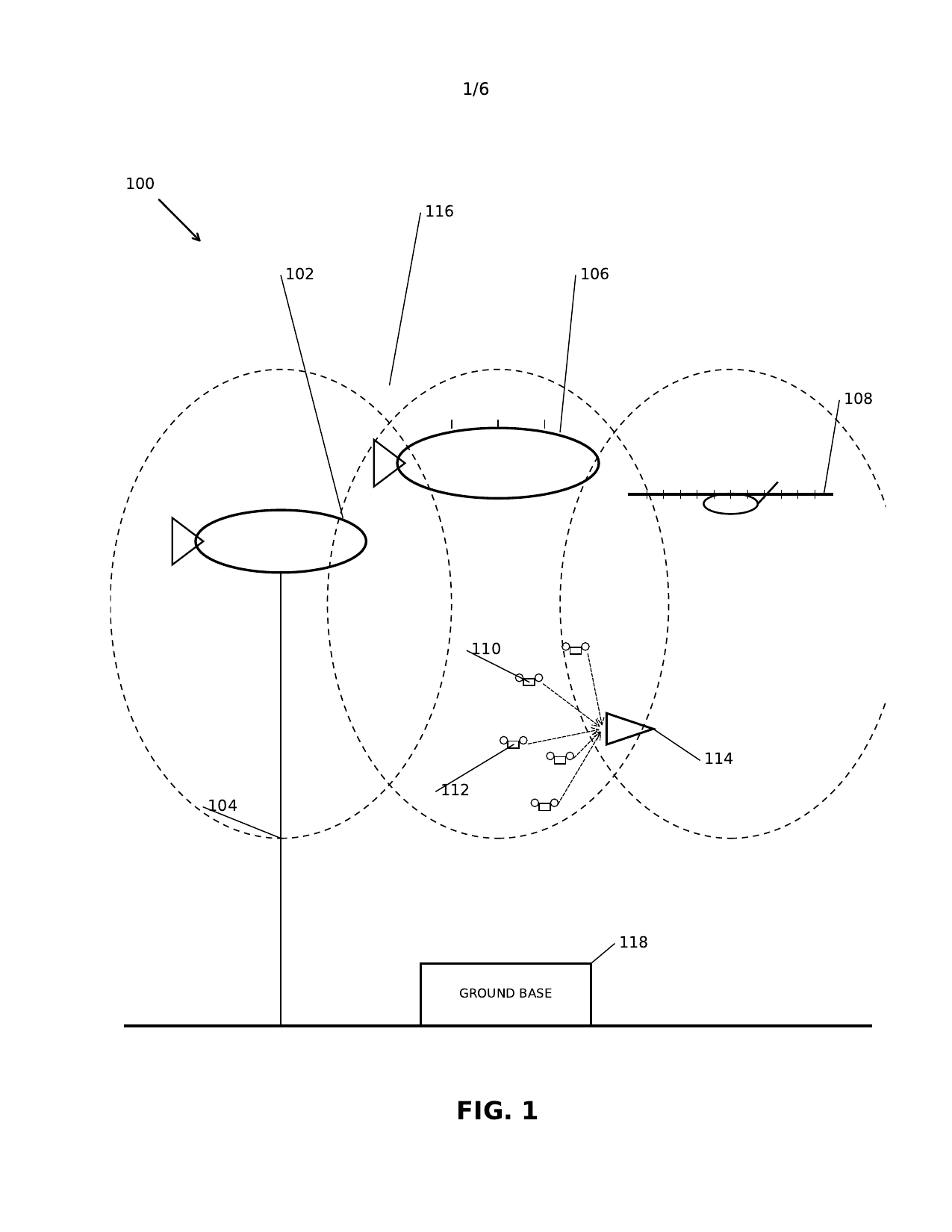
Three kinds of platform work together (FIG. 1): a tethered aerostat 102 on its tether 104, an untethered airship 106, and a solar long-endurance aircraft 108. Each carries drones 110. When a threat 114 appears, drones engage it as a swarm 112, attacking from several angles.
The coverage zones 116 overlap. Many platforms, each modest, replace a few critical sites. A ground base 118 keeps every platform supplied.
From altitude, the platforms’ sensors see past the horizon of ground-based radar, which gives early warning of low-flying threats.
Platforms
Three ways to hold station
Tethered aerostat
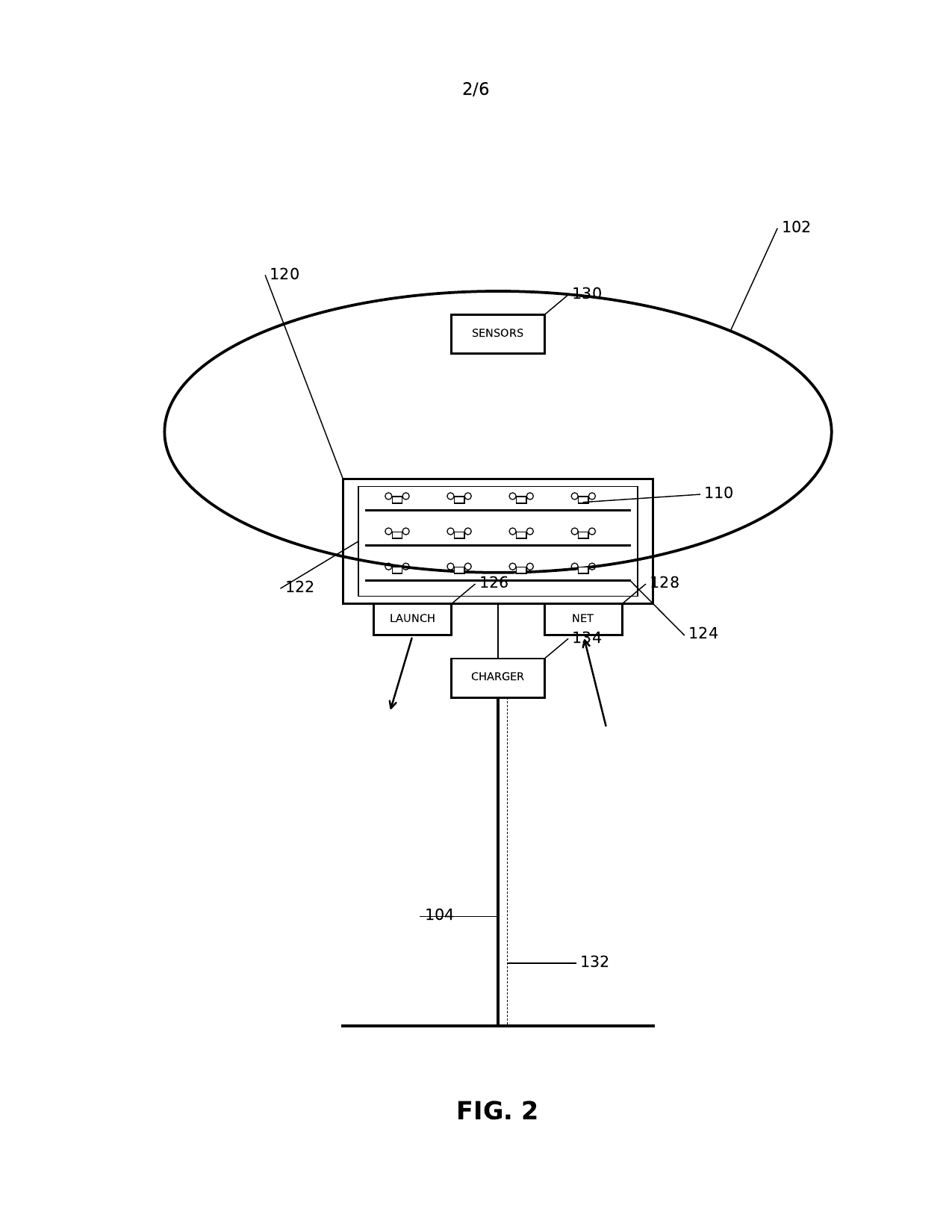
It carries radar and electro-optical/infrared sensors, plus a drone hangar. Inside the hangar, drones sit in racks on docking rails, and they launch and return through separate ports, which may have a recovery net. The tether brings power up from the ground and tops up the drones’ charge while they are docked.
Untethered airship
It carries the same sensors and racks as the aerostat, but it can move to follow a threat axis or fill a gap in coverage. Power comes from solar cells on its envelope and from onboard storage.
Solar long-endurance aircraft
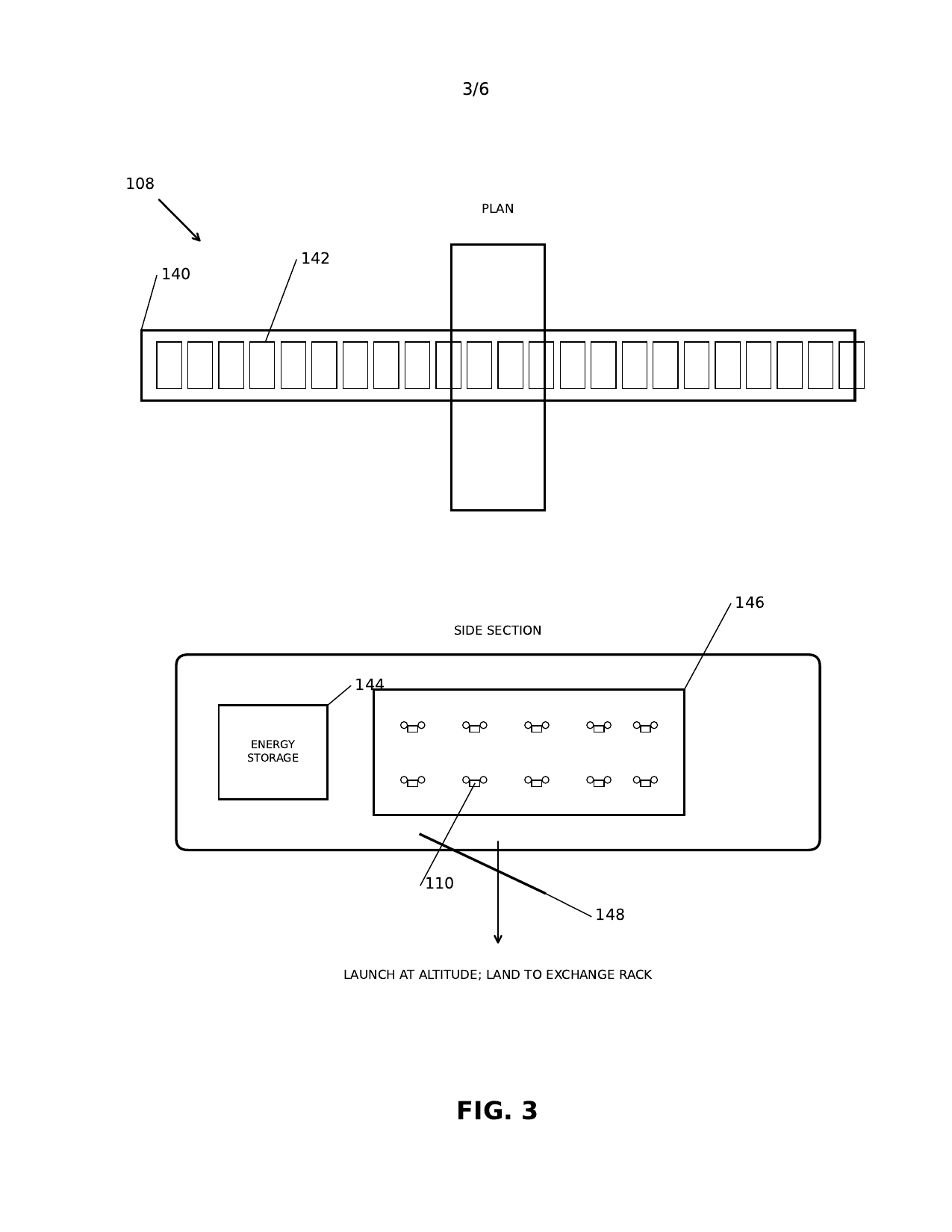
Solar cells on the wings drive the aircraft and charge its storage. A removable rack sits in an internal bay. At altitude, the aircraft opens a launch door and releases its drones. It never recovers them in flight. Instead, it lands, swaps its empty rack for a loaded one, and climbs back. Several aircraft work in rotation, so some are always on station.
Why land to reload?
An aircraft that has to catch drones in flight needs recovery gear, which adds weight and complexity. An aircraft that only launches can be smaller, lighter and simpler. The recovery and servicing equipment stays in one place, at the ground base, and swapping a whole rack makes reloading fast.
The drone
Ultracapacitors and a modular payload
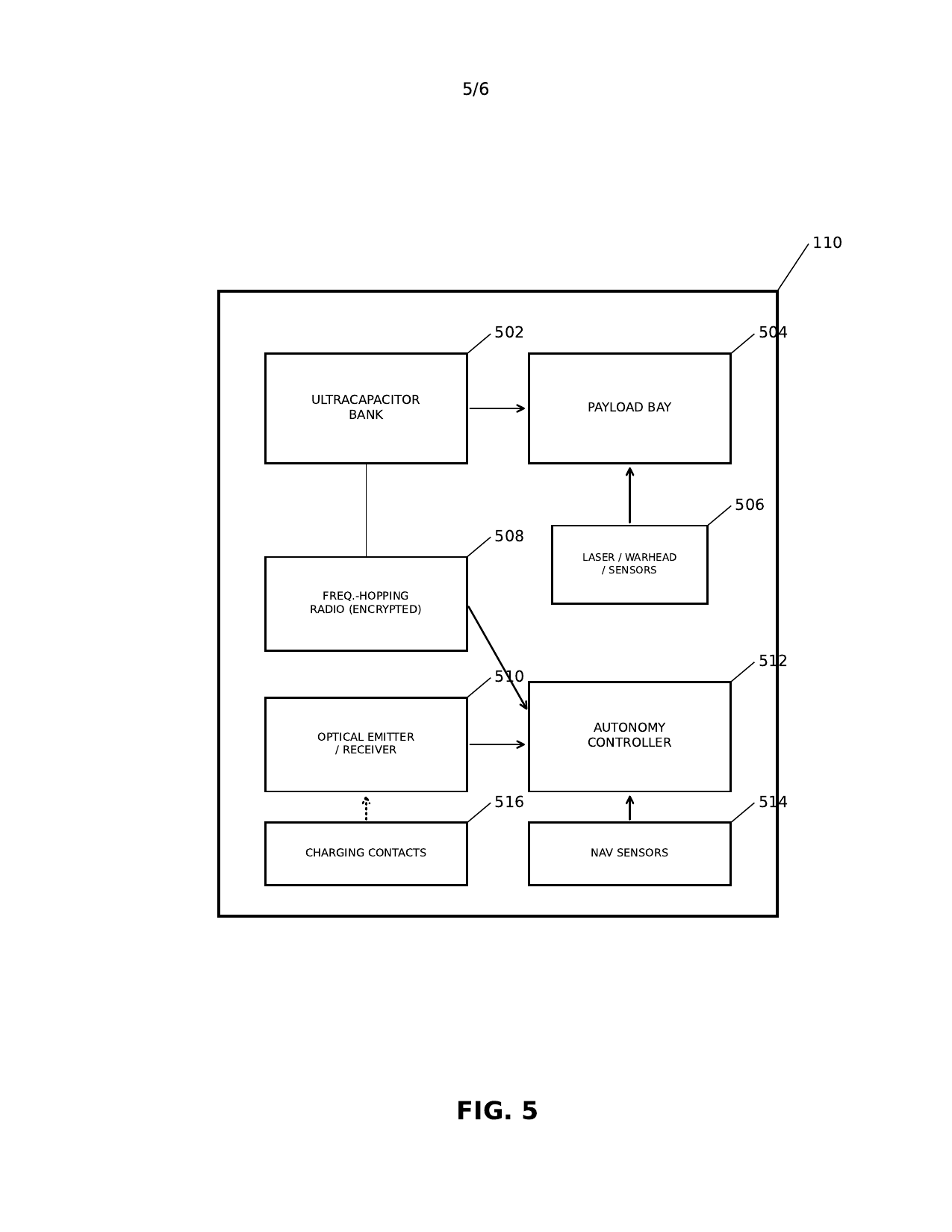
Each drone has an ultracapacitor bank that stores energy for both flight and payload, plus a payload bay, an encrypted frequency-hopping radio, an optical emitter and receiver, an autonomy controller, navigation sensors, and charging contacts (FIG. 5).
Ultracapacitors charge fast and discharge at high power. That suits pulsed laser shots, electromagnetic pulses, and quick turnaround on the ground.
Pulsed laser
Powered by the ultracapacitor bank.
Electromagnetic pulse
Disables a threat’s electronics.
Shaped charge
Detonates when a threat collides with the drone.
Surveillance
Lets a drone be switched to a sensing role.
The aim is to disable the threat. Where they are suitable, laser and pulse payloads are preferred: they carry no warhead mass, and a drone can engage again and again while its charge lasts.

Swarm tactics
Many small drones, many angles
The drones work under distributed control. Distributed AI sets their attack angles and timing, so many low-cost drones close on one threat from several directions.
The drones don’t have to outfly the threat. The swarm can spread drones across the threat’s predicted path, so the threat flies into them.
Machine learning studies threat patterns and plans where to deploy, including saturating an area with overlapping zones.
The logistics loop
Keep the racks full
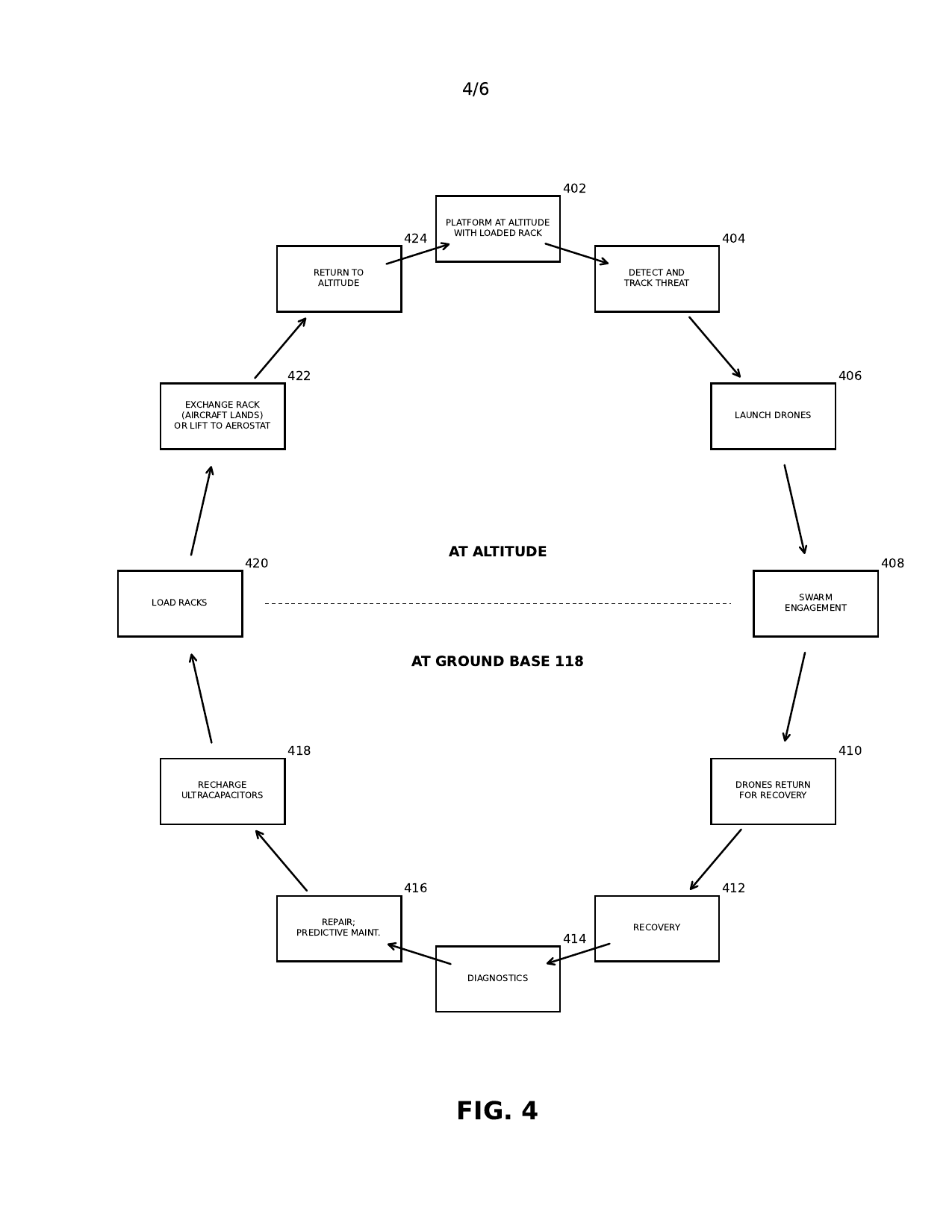
- A platform is on station at altitude with a loaded rack.
- Sensors detect and track a threat.
- The platform launches drones.
- The drones engage as a swarm.
- Surviving drones return, either to the ground base or to an aerostat’s retrieval port.
- Drones are caught in nets, on docking rails, or by landing.
- Automated diagnostics check each drone as it moves along a conveyor.
- Minor damage is repaired automatically. Predictive analytics schedule maintenance.
- Rapid chargers refill the ultracapacitors.
- Serviced drones are loaded into racks, which may be modular and moved by vehicle.
- A solar aircraft lands and swaps its rack, or a loaded rack is lifted to an aerostat or airship.
- The platform goes back up, or stays up, with a full rack. Repeat.
Filled circles happen at altitude; open circles happen on the ground. Steps 402–424 in FIG. 4.
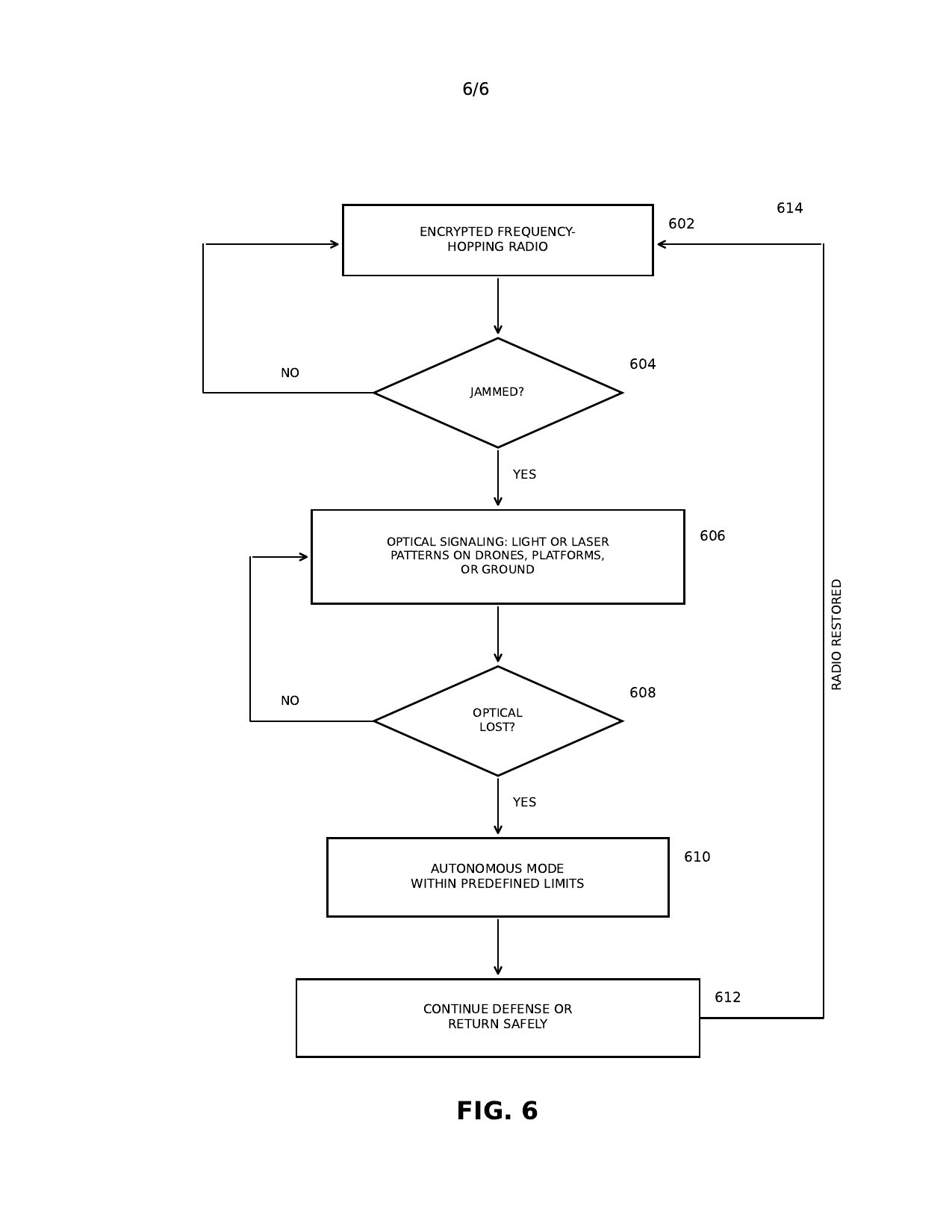
When jammed
Fall back. Don’t fall out of the sky.
Drones, platforms and ground control use encryption and multi-layer authentication to resist spoofing and cyber intrusion. If a link is lost, each drone steps down to the next way of working:
Accountability
Every drone has a history
Engagements, logistics cycles and readiness can be recorded in a distributed ledger. For each drone, the record covers every launch, engagement, recovery, repair and charge. It can’t be altered, and anyone with access can audit it. Performance is measured, not asserted.
Lineage
The idea is old. The loop is new.
Persistent platforms over the people they protect have a long record. The missing piece has always been a magazine that refills itself.
1862
Union balloons
Tethered observation balloons slowed Confederate movements just by being there. Confederate artillery officer E. P. Alexander wrote: “Even if the observers never saw anything, they would have been worth all they cost for the annoyance and delays they caused us in trying to keep our movement out of sight.”
1924
A base that moves
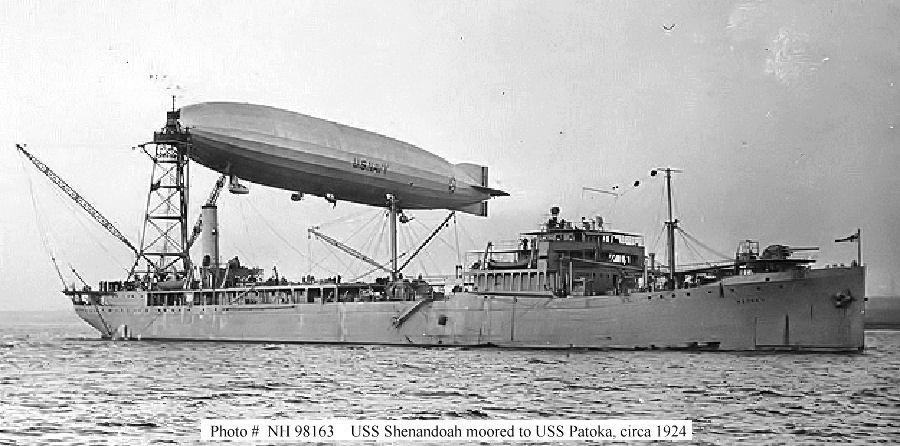
The Navy fitted the tender USS Patoka with a mooring mast, so the airship Shenandoah could refuel and resupply at sea, far from its hangar. That is the same split LADS uses: the platform stays light, and the base carries the logistics.
1942–45
Convoy cover
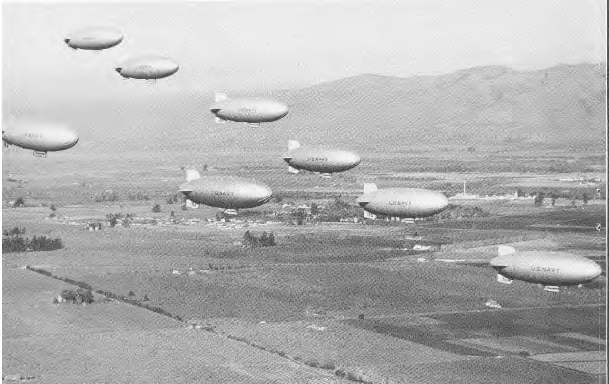
The U.S. Navy flew 168 airships over about 3 million square miles of ocean to protect convoys. According to the U.S. Centennial of Flight Commission, “Of the 89,000 ships escorted by airships, not one was lost to enemy action.” The airships’ value was persistence: a submarine that knows it is being watched has to keep its head down.
1944
Mulberry harbours
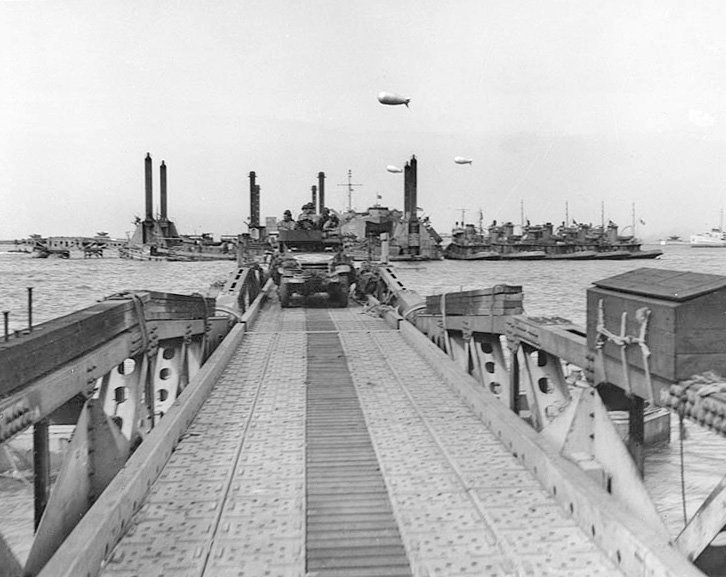
To supply the Normandy landings, the Allies built two harbours in Britain, towed them across the Channel, and assembled them off the beaches. Barrage balloons flew overhead to keep low-flying aircraft away from the piers.
A storm from June 19 to 22 wrecked the American harbour at Omaha, and parts of it went to repair the British harbour at Gold. That harbour worked for 10 months and landed about 2.5 million men, 500,000 vehicles and 4 million tons of supplies.
“Piers for use on beaches: They must float up and down with the tide. The anchor problem must be mastered. Let me have the best solution worked out. Don’t argue the matter. The difficulties will argue for themselves.”
Winston Churchill, 1942
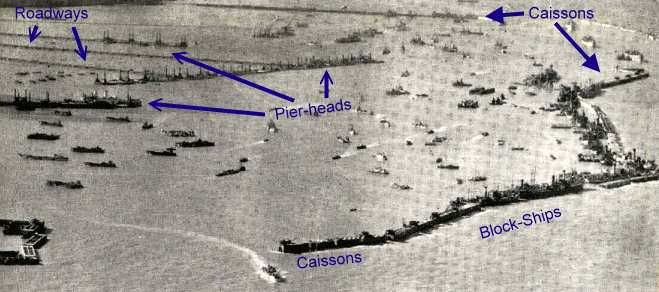
The lesson of 1944 is that logistics decides the campaign, and that the supply line needs protecting from the air. Barrage balloons could only get in the way. LADS platforms fight back, and the loop keeps them supplied.
2006
Ultra-light Infantry
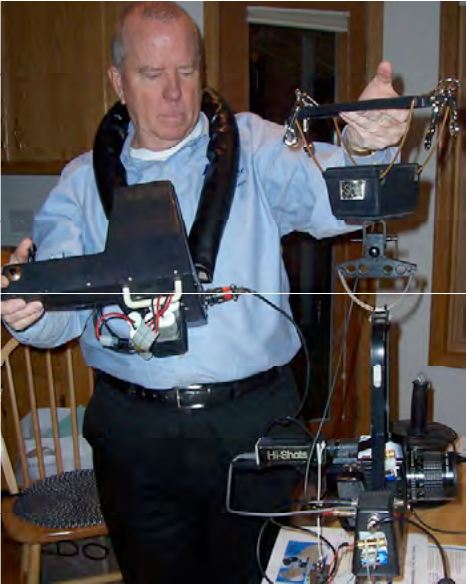
In September 2006, Bill James wrote Ultra-light Infantry with a group of North American airship makers. It proposed keeping remotely piloted airships constantly over neighborhoods where militias hid among civilians, as part of the ground commander’s team. The airships would carry cameras, sensors and laser target markers, to fill the gap between small arms and missiles and limit collateral damage.
Several ideas in LADS trace back to that paper:
- Persistence. Floating platforms stay on station far longer, and at far lower cost per hour, than helicopters.
- Consumable platforms. “Trading equipment for lives.” Uncrewed platforms can take the fire.
- Stability. A platform that floats has little of the vibration that engines and rotors cause, so sensors and aiming stay steady.
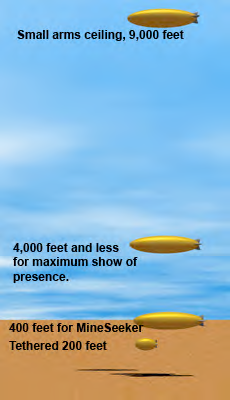
- Layers by altitude. Tethered ships fly low, and free-flying ships fly higher, for presence or above small-arms range.
- Coverage by count. The paper estimated that about 30 airships could cover a city the size of Baghdad.
Read the 2006 paper (PDF, 26 pages). Its web links, company contacts and costs are as of 2006.

Patent
Abstract, as filed
A layered air defense system uses persistent airborne platforms, including tethered aerostats, untethered airships, and solar-powered long-endurance fixed-wing aircraft, that carry racks of drones. The drones carry ultracapacitor-powered pulsed lasers, electromagnetic pulse emitters, explosive warheads, or surveillance packages and engage aerial threats in swarms under distributed control, with overlapping platform coverage providing depth. A solar fixed-wing aircraft launches its drones at altitude and then returns to a ground base to exchange its empty rack for a loaded one, without in-flight recovery, so the aircraft stays small and simple. A ground base recovers drones in nets, services them on conveyors with diagnostics, repair, and rapid recharging, and reloads racks, keeping the magazine full. Drones fall back from frequency-hopping radio to optical signaling to autonomous operation when jammed.
Filing
- Title as filed
- Layered Aerostat Defense Swarm
- Application
- U.S. 19/836,480 (nonprovisional)
- Filed
- October 10, 2026
- Benefit
- Provisional 63/897,576, filed October 11, 2025
- Claims
- 20, including 4 independent
- Status
- Patent pending
- Inventor
- William Dean James, Tulsa, Oklahoma